
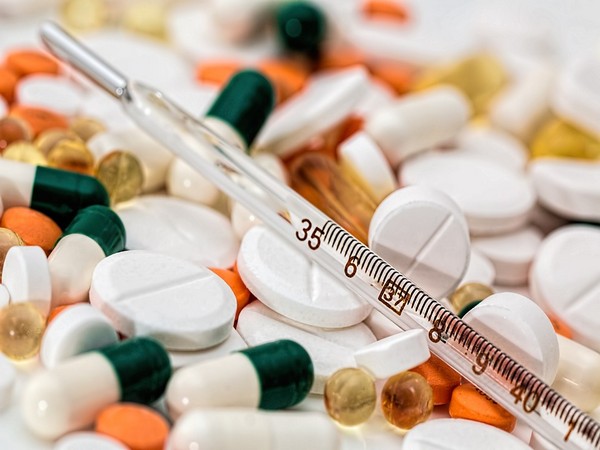
The people of Pakistan are facing the double whammy of soaring drug prices and a shortage of lifesaving medicines, leaving patients across the country scrambling.
The pharmaceutical sector and the entire supply chain are in a grim situation as black-marketing, hoarding and smuggling of drugs have become normal in Pakistan. Islamabad
appeared apathetic and inefficient in resolving these issues and providing relief to poor people braving skyrocketing inflation.
The suffering of Pakistani people has continued to worsen every passing day. Even tetanus vaccines are not available easily and are being sold at exorbitant rates. This injection is generally sold for PKR 40-50. However, people are now forced to shell out PKR 800 to buy one.
"Once I was taken to a private hospital for first aid treatment, the tetanus injection was not available. After extensive searching, I was finally able to buy it for as much as PKR 800 per vial," said Kashif Khan, a labourer from Karachi.
Pakistan lacks research and development (R&D) in the medical and pharmaceutical sectors, depriving its citizens of cutting-edge therapies and treatments. Islamabad has failed in smooth supplies of basic medicines as well.
Pakistani people and doctors expressed their anguish over the unavailability of routine drugs.
"Around 100 lifesaving drugs are... not even available in hospitals for patients," said lawyer and activist Noor Mehr, who blamed government mismanagement for the problem.
While the government chose to deny or play down the problem of a drug shortage, the doctors and patients have called it ‘life-threatening’.
“Simple flu medicine Tamiflu (Oseltamivir) is always in short supply, and imported and sold in black. Epival is an epilepsy drug, which is also always in short,” Dr Saira Siddique, a public health expert and social entrepreneur.
Pakistan is compelled to import several drugs due to poor R&D in the domestic pharmaceutical sector. This however leads to higher medicine prices.
The problem is not limited to rural and remote areas.
Big cities including the capital city of Islamabad are facing drug shortages. However, the Drug Regulatory Authority of Pakistan (DRAP) has underestimated its severity saying the “shortages of drugs are a global phenomenon and it may occur due to various reasons.”
The authority claimed that it launched a crackdown on the artificial shortage of medicines. However, there was no visible improvement on the ground.
DRAP failed to take necessary action on several occasions. Amid the protests, the Islamabad government now has divested the authority of its duty and has decided to set up a new body to deal with the problem. However, the inconsistency in enforcement and the bureaucratic hurdles continue to hurt research and regulatory landscapes in Pakistan.
“There is hardly any new research happening in Pakistan for any drug discovery,” Dr Iffat Zafar Aga, co-founder of healthcare start-up Sehat Kahani.
The artificial shortage of essential drugs has persisted in Pakistan for several years now. People call drug hoarders “drug mafia” who hold stock of essential medicine to earn massive profits.
"Now we have a situation where several important medicines are becoming scarce or unavailable in the Pakistani market," Dr Faisal Sultan, a former assistant to ousted prime minister Imran Khan.
The people of Pakistan had expected the Islamabad government to improve supplies of essential medicines and lower the prices.
However, the prices of 146 life-saving medicines were increased a few months ago. The absence of policy interventions and the lack of coordination between the government and various elements of the pharmaceutical industry have been blamed for the worsening situation.
The essential drugs are being sold at five times higher than the decided rate as the grey market of drugs swelled. Now people are exposed to spurious and fake medicines that are smuggled into Pakistan.
According to Pakistan's Pharmacist Association, there are over 100,000 illegal drug sellers in the country while the registered pharmacies are just 4,000. Peshawar-based pharmaceutical trader Khalid Anjum said "The ordered drugs or medicine could be delivered at your doorstep within a one-week (by black marketeers)… without any restrictions of prescriptions."